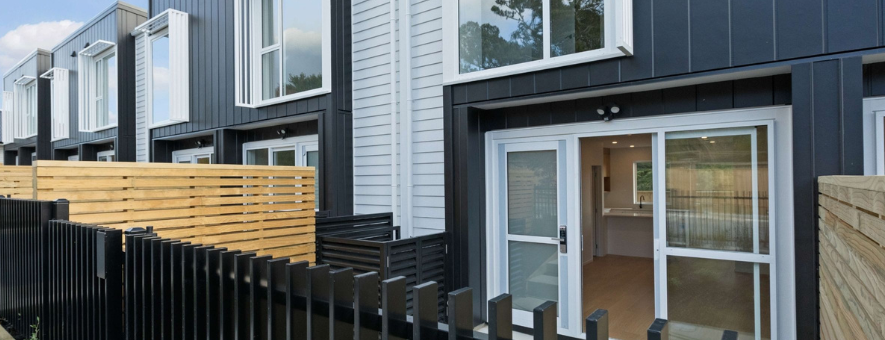

A window or door needs safety glass where people are likely to hit it, such as doors, door side panels, low-level glazing within 800 mm of the floor, and glazing in and around stairs and wet areas. The Building Code requires glazing likely to be subject to human impact to comply with NZS 4223 Part 3, and all glazing in UNO's windows & doors complies with NZS 4223. This guide explains the rule and the locations NZS 4223.3 treats as critical.
Last reviewed: November 2026
What is safety glass?
The Building Code's F2/AS1 describes safety glass as glass treated or combined with other materials so that an injury is less likely if it cracks or breaks. Toughened or laminated glass is sufficient for standard safety requirements, and laminated glass is a type of safety glass made of two panes held together by a clear interlayer. For more on UNO's glass range, see the UNO glass page and the guide to different types of glass.
What does the Building Code require?
Building Code Acceptable Solution F2/AS1 says glazing likely to be subject to human impact must comply with NZS 4223 Part 3, Human impact safety requirements. The rule is triggered by how likely people are to hit the glass, not by a single named product.
Where is glazing most at risk?
NZS 4223.3:2016 identifies critical locations, where glazing is more vulnerable to human impact. They include:
Summary of NZS 4223.3:2016, clause 2.1
- Doors
- Door side panels, particularly panels that may be mistaken for doors
- Low levels in shopfronts, walls and partitions, within 800 mm of the floor
- In and around stairs
- In and around bathrooms, pools, spas and other wet areas
- Glazing that safeguards a fall of 1000 mm or more
- Barriers (balustrades)
- Areas that can be mistaken for an unimpeded path of travel
- Areas used for high-risk activities
When can low-level glass be mistaken for an open path?
Summary of NZS 4223.3:2016, clauses 6.1 to 6.3
Glazing wholly or partly within 800 mm of the finished floor is treated as low-level glazing. A pane taller than 1000 mm and wider than 500 mm, with no compliant manifestation (markings that make the glass visible), is treated as capable of being mistaken for an open path of travel. In that case, fully framed glazing must be safety glass in line with Table 1 of the standard, and partly framed glazing must follow Tables 4 and 5.
The standard sets out further requirements for each location. Refer to NZS 4223.3:2016 itself for the full detail.
How do I confirm what my project needs?
Safety glass requirements depend on the building, the location of each window or door, and how it is framed. Confirm them with your designer, engineer and Building Consent Authority, and refer to the current version of the standard. UNO Windows & Doors can make suggestions on the glass options available for your project.
Frequently asked questions
Does UNO glazing comply with NZS 4223?
Yes. All glazing in UNO's windows & doors complies with NZS 4223.
Which glass types are sufficient for standard safety requirements?
Toughened or laminated glass is sufficient for standard safety requirements.
Where do I find the standard?
NZS 4223.3:2016 is published by Standards New Zealand, and can be viewed free of charge through MBIE's Building CodeHub.
Disclaimer
The information in this article is provided for general information purposes only and reflects the Building Code documents and standards current at the "Last reviewed" date shown on this article. It does not constitute technical, engineering or legal guidance for any specific project. Building Code documents and standards are subject to change; readers should refer to the current version of the relevant document and confirm all requirements with their designer, engineer and Building Consent Authority before proceeding. Construction R-values and product performance are project-specific and should be confirmed using the values generated in UNO Hub for the project concerned. UNO Windows & Doors accepts no liability for any loss or outcome arising from reliance on, or interpretation of, the information provided.