

What Delays Aluminium Window Installation in Multi-Residential Projects?
In multi-residential developments, aluminium window installation sits on the critical path. When it runs smoothly, programme momentum continues. When it stalls, multiple trades feel the impact.
Watch these areas to ensure timely window installations:
What many developers discover, often too late, is that installation delays rarely begin on installation day.
They typically originate months earlier during specification, detailing, manufacturing, or delivery planning.
Understanding where these risks sit can significantly improve programme certainty on multi-residential and light commercial projects in New Zealand.
1. Incomplete or Misaligned Specifications
Installation outcomes are shaped long before frames reach site.
Common early-stage issues can include:
- Profiles selected without confirming manufacturing constraints
- Glazing assumptions not aligned with H1 requirements
- Late confirmation of R-values
- Design adjustments after shop drawings are underway
Each small change introduces friction, resulting in delays. When joinery partners are engaged early, specification risks can be identified before documentation is locked in, reducing rework and protecting build timelines.
2. Shop Drawing Discrepancies
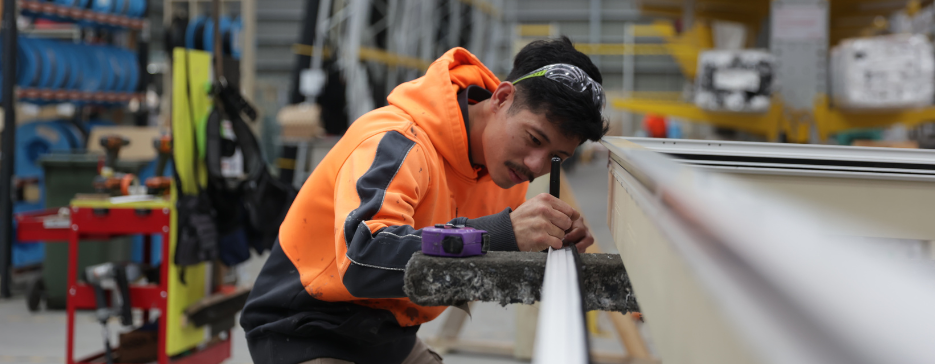
Shop drawings are where architectural intent becomes manufacturing instruction.
If dimensional tolerances, structural allowances, or fixing details are unclear, production slows while clarification occurs.
On large-scale multi-residential projects, even minor discrepancies can affect:
- Manufacturing timelines
- Delivery
- Installation timing
Structured review processes and precise detailing reduce the likelihood of site-level adjustments, protecting overall programme flow.
3. Manufacturing and Supply Chain Gaps
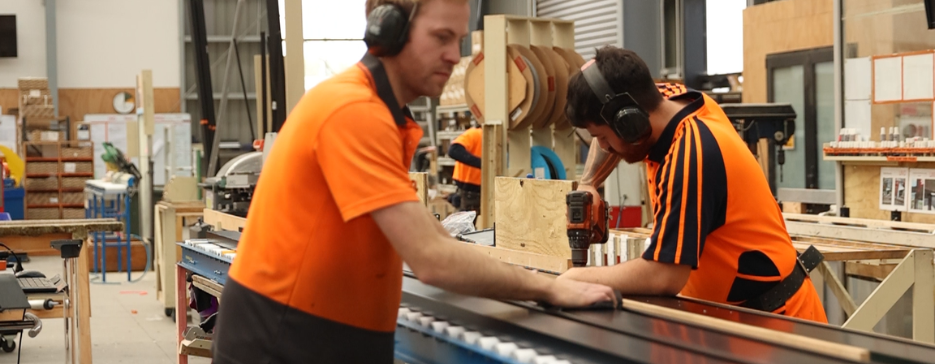
When manufacturing relies on fragmented supply chains, predictability decreases.
Delays often stem from:
- Profile availability fluctuations
- Powdercoat coordination gaps
- Glazing supply variability
- Late-stage production confirmation
An end-to-end solution where processing, coordination, and quality control operate within a controlled system, provides greater consistency, clearer lead time visibility and lowers risk in your project.
4. Delivery and Labelling Inefficiencies
Even when manufacturing runs on schedule, poor delivery planning can disrupt installation.
Common site-level challenges include:
- Mixed pallets requiring sorting
- Unlabelled components such as individual windows, WANZ Bars, or Head flashings
- Delivery not aligned with staging sequence
Installation crews lose valuable time reorganising product instead of installing it.
Palletised, clearly labelled deliveries aligned with project sequencing reduce site disruption and support smoother trade coordination.
For developers, this translates into controlled labour costs and protected milestones.
5. Why Early Engagement Reduces Program Risk
One of the most effective ways to prevent aluminium window installation delays is simple:
Engage your joinery partner earlier.
Early collaboration supports:
- Accurate R-value alignment
- Realistic lead time planning
- Coordinated shop drawings
- Practical profile selection
- Sequenced delivery mapping
Installation becomes the final step in a structured process, not the point where issues surface.
Installation Success is Determined Months Before Site Delivery
On multi-residential and light commercial projects, aluminium window installation in itself is rarely the root cause of delay.
It is usually the final stage where earlier misalignments become visible.
Developers who approach joinery as part of a connected, collaborative end-to-end process, rather than a late-stage procurement item, see measurable improvements in programme certainty and installation efficiency.
Reducing installation risk begins long before installation day.
Frequently Asked Questions (FAQ):

Q: What causes delays in aluminium window installation?
A: Most delays stem from specification gaps, shop drawing discrepancies, supply chain coordination issues, or unstructured delivery staging, not the installation crew itself.
Q: How can developers reduce joinery installation delays?
A: Engaging the joinery partner early, confirming specifications upfront, and aligning manufacturing with delivery sequencing significantly reduces risk.
Q: When should aluminium joinery suppliers be engaged?
A: Ideally during early design development, before documentation is finalised, to ensure manufacturability, compliance alignment, and realistic lead times.